Products & Formulation
Kava Powder, Oleoresin, or Nano: Which Format?
11 min read
Read
Why a nano-emulsified 20% powder outperforms a spray-dried 30% one — and what the percentage on a spec sheet actually measures
"Do you supply 30% kava powder?" is now a common opening question we get, and it usually arrives as a firm specification. That is entirely reasonable in an industry where the quality and consistency of kavalactone extracts can vary hugely and buyers need to be precise with their dosing. The kavalactone % is often the only figure a buyer has available to compare one supplier against another.
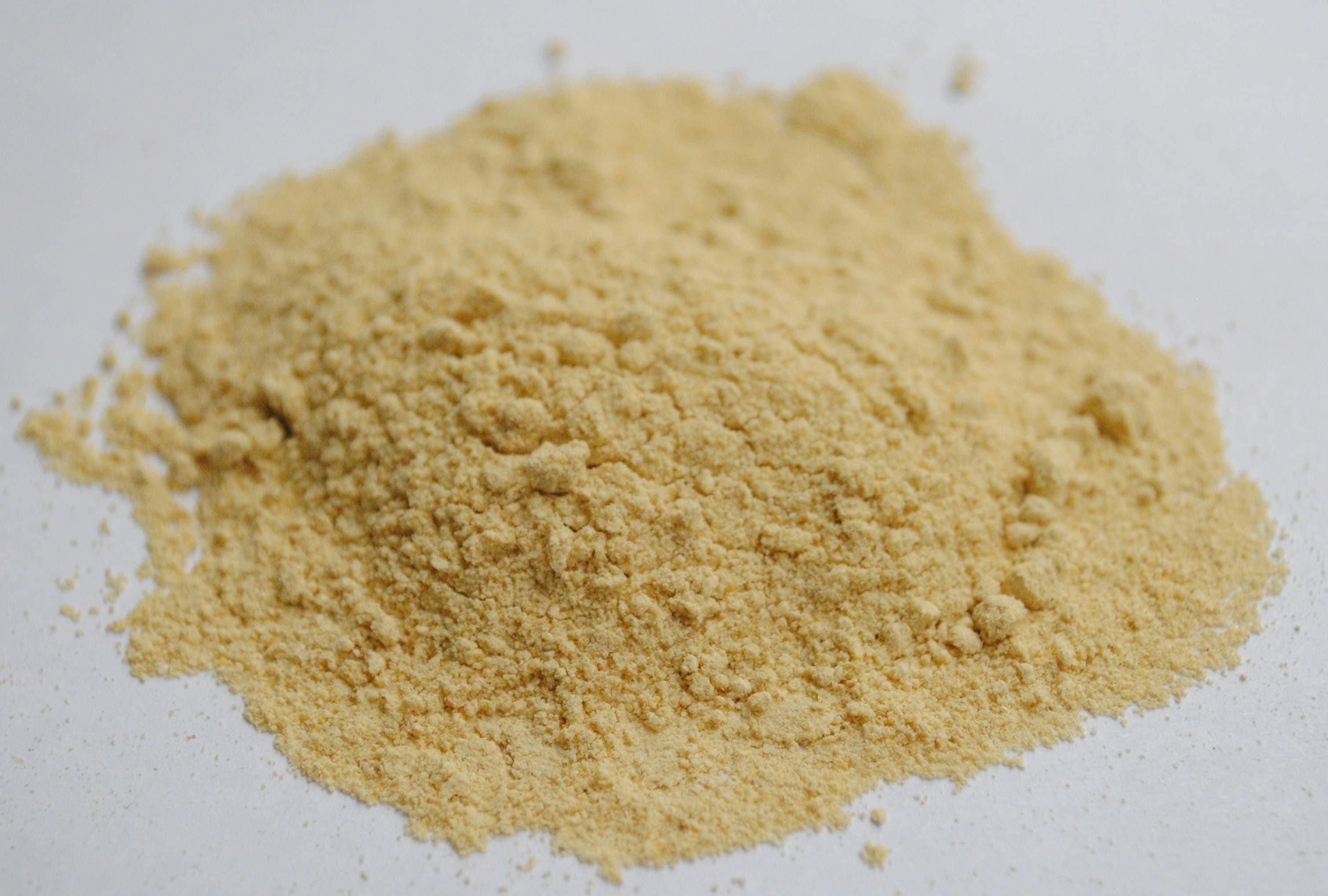
We supply a nano-emulsified powder at 20% kavalactones. On paper that looks like a step down. In practice it is the stronger ingredient, and buyers who switch rarely go back. The reason is that a kavalactone percentage measures purity in the bag — it does not measure what the material is made of, or how much of it your consumer actually absorbs.
Key takeaway: A 30% figure describes how much of a spray-dried commodity powder is kavalactones. It says nothing about plant part, cultivar, extraction solvent, or absorption. Kavain's nano powder is up to 20% kavalactones — but that 20% comes from noble lateral root, CO₂-extracted to a 70–80% oleoresin, then nano-emulsified for water solubility and bioavailability. Twenty per cent of a verified, well-delivered extract is not the same product as thirty per cent of an unverified one. And if you are building a ready-to-drink beverage, the format you probably want is not a powder at all — our nano liquid disperses straight into a water-based product with less agitation.
Not all kavalactones are created equal. Cost per milligram treats every milligram as the same thing. It is not. What the milligram was extracted from moves the price far more than the delivery format does, and it is the single biggest reason two quotes for “the same” material can differ by a wide margin.
All Kavain products are based on:
Every one of those exclusions removes saleable weight from the batch, and each is a place a cheaper quote can find its margin. When you compare our cost per serve against another supplier’s, the question worth asking is what went into their milligram — see how kava is processed for what each stage controls.
Commodity 30% powders are generally produced by taking an extract, then standardising it down onto a carrier — usually maltodextrin or a similar starch — until the assay reads 30%. The number is a target, hit by dilution. It tells you the ratio of kavalactones to carrier in the finished blend. It does not tell you the concentration of the extract before the carrier went in, what plant material was extracted, or what solvent was used to extract it.
Our nano powder arrives at its percentage from the opposite direction. It starts as noble lateral root, is supercritically CO₂-extracted to a 70–80% oleoresin, and is then built into a delivery system: sunflower-derived phosphatides emulsify the kavalactones into nanoscale lipid droplets, MCT provides the lipid carrier, and the emulsion is spray-dried onto a modified tapioca/corn starch matrix. The percentage lands at up to 20% because the delivery system has mass. What you are buying is not the number — it is what sits behind it.
So the comparison that matters is not 30 against 20. It is thirty per cent of an unspecified extract with no delivery system, against twenty per cent of a verified noble CO₂ extract engineered for absorption.
| Attribute | Commodity 30% | Kavain nano 20% |
|---|---|---|
| Source | Undefined by grade | Noble lateral root |
| Cultivar | Often unverified | Identified per lot |
| Extraction | Solvent, spray-dried | Supercritical CO₂ |
| Purity pre-carrier | Not disclosed | 70–80% |
| In finished format | ~30% | Up to 20% |
| Delivery system | None | Nano-emulsion |
| Bioavailability | Low (starch carrier) | High (emulsified) |
| In water | Sediments, separates | Disperses cleanly |
| Residual solvents | Solvent-dependent | None |
| Taste | Starchy, bitter | Low carrier impact |
| Batch CoA | Varies by supplier | Every batch |
Three of those rows deserve expanding.
Source, delivery system, bioavailability and behaviour in water are the rows that decide most formulation outcomes. The percentage is the natural place to start — it is usually the only number every supplier publishes, which makes it the one thing you can compare across quotes. It is also the row that tells you least about how the material will perform once it is in your format.
Our nano liquid sits in the same column as the nano powder on every row above — same noble root, same CO₂ extraction, same emulsion chemistry — stabilised as a ready-to-dose liquid at 2% kavalactones. If you are formulating a beverage, it is worth reading the RTD section below before settling on a powder.
Kavalactones are lipophilic. Suspended in a starch carrier and swallowed, a substantial portion passes through without being absorbed — which is the underlying reason commodity formats need high milligram loads to produce a noticeable effect. The number on the label is the amount ingested, not the amount utilised.
Nano-emulsification addresses that directly. Emulsifying kavalactones into nanoscale lipid droplets is a well-established approach for improving the absorption of poorly water-soluble botanical actives, and it is why our nano formats carry a high-bioavailability specification while sitting at lower assay percentages. A formulator working with nano powder is generally able to hit their intended effect at a lower delivered kavalactone dose than the same brief would require from a commodity powder.
How much lower is a formulation question rather than a fixed ratio, and it depends on the format, the serving architecture, and the market you are selling into. It is worth establishing on your own bench with samples rather than taking any supplier's multiplier at face value — including ours.
Everything above is ingredient specification. What determines whether a brand succeeds is what the person who buys the finished product experiences — and every row in that comparison table has a consequence that reaches the consumer.
These are the reasons Kavain's 20% nano powder can produce a better finished consumer product. Consumer brands are not selling a specification — they are selling an experience that has to be good enough to buy twice.
There is one more reason the 30% figure carries so much weight: it sits inside a labelling convention that makes total extract weight and kavalactone content easy to conflate.
A label reading "500 mg kava extract" is not promising 500 mg of active compounds. If that extract is standardised to 30%, the serving delivers 150 mg of kavalactones. The other 350 mg is carrier and non-kavalactone plant matter. Both figures can appear on a compliant label, which makes like-for-like benchmarking against a competitor's product genuinely difficult: a larger total extract weight can read as a stronger product when it may simply be a more diluted one.
When you specify in kavalactones rather than material weight, the comparison becomes tractable. Our kavalactone dosing guide works through the conversions, and the cost-per-serve calculator handles the arithmetic across formats.
A large share of the buyers who arrive asking for 30% powder are building ready-to-drink beverages. For that application, there is a good chance the better answer is not a powder at all.
Powder gets specified by default for historical reasons. For most of this category's commercial life, kava was only available as a powder — traditional grind first, then instant, then spray-dried extract. Buyers wrote powder into their briefs because powder was the only thing on offer. Liquid kava concentrates are recent enough that many formulators have never evaluated one, so a brief written from experience of the old market still says "powder" even when the production line would be better served by a liquid.
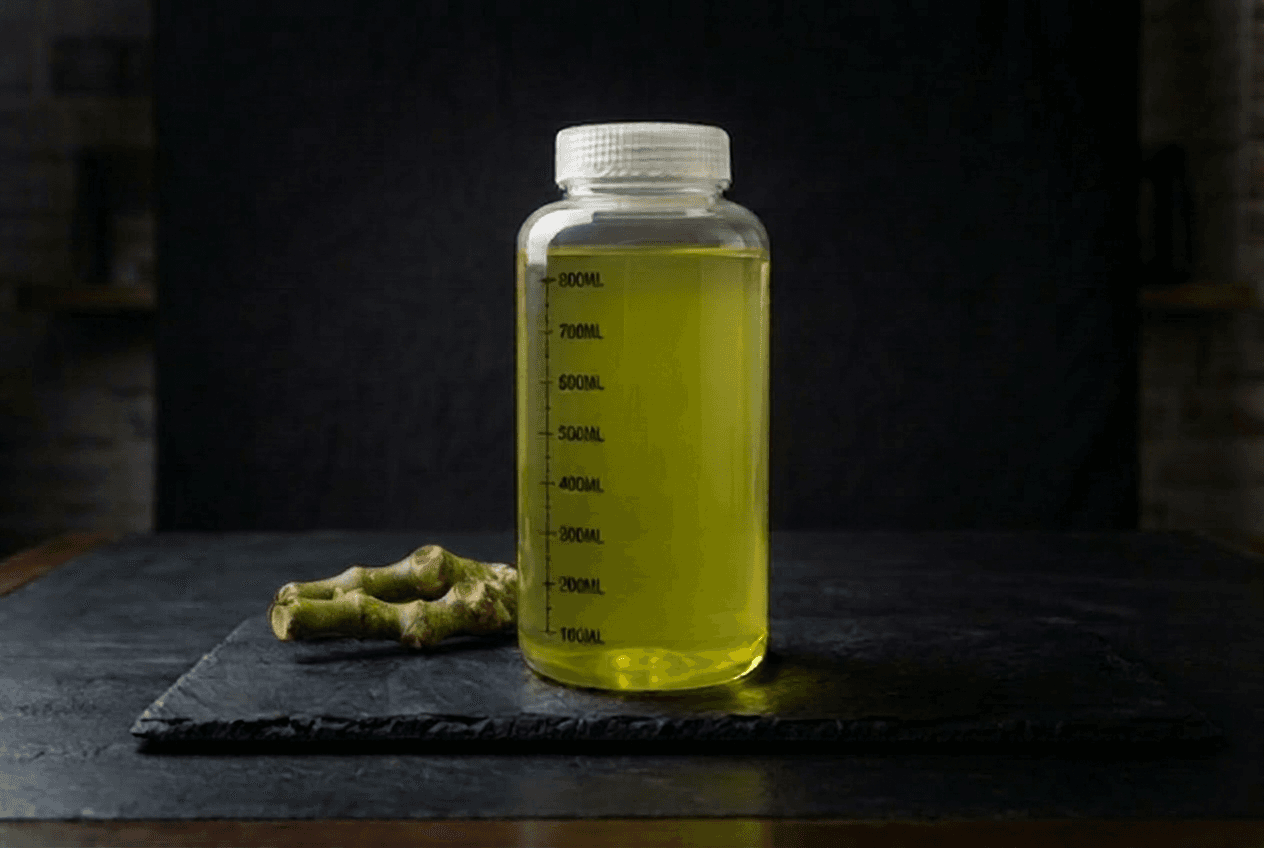
What an RTD line actually wants is an ingredient that is already in solution. Our nano liquid is pre-emulsified at 2% kavalactones and meters directly into a water-based batch — pour, blend, fill. No wetting step, no dispersion time, no powder handling or dust control, and none of the batch-to-batch mixing variability that comes with getting a powder evenly into suspension. It is engineered for finished-beverages, and drinks render clear to slightly opalescent depending on formula and inclusion rate.
The choice is mostly decided by whether your finished product is wet or dry:
We compare the two directly in nano powder versus nano liquid. If your brief says powder simply because that is how kava has always been bought, it is worth requesting both samples before the formulation is locked — switching format after a production run is scoped is considerably more expensive than trying both at bench scale.
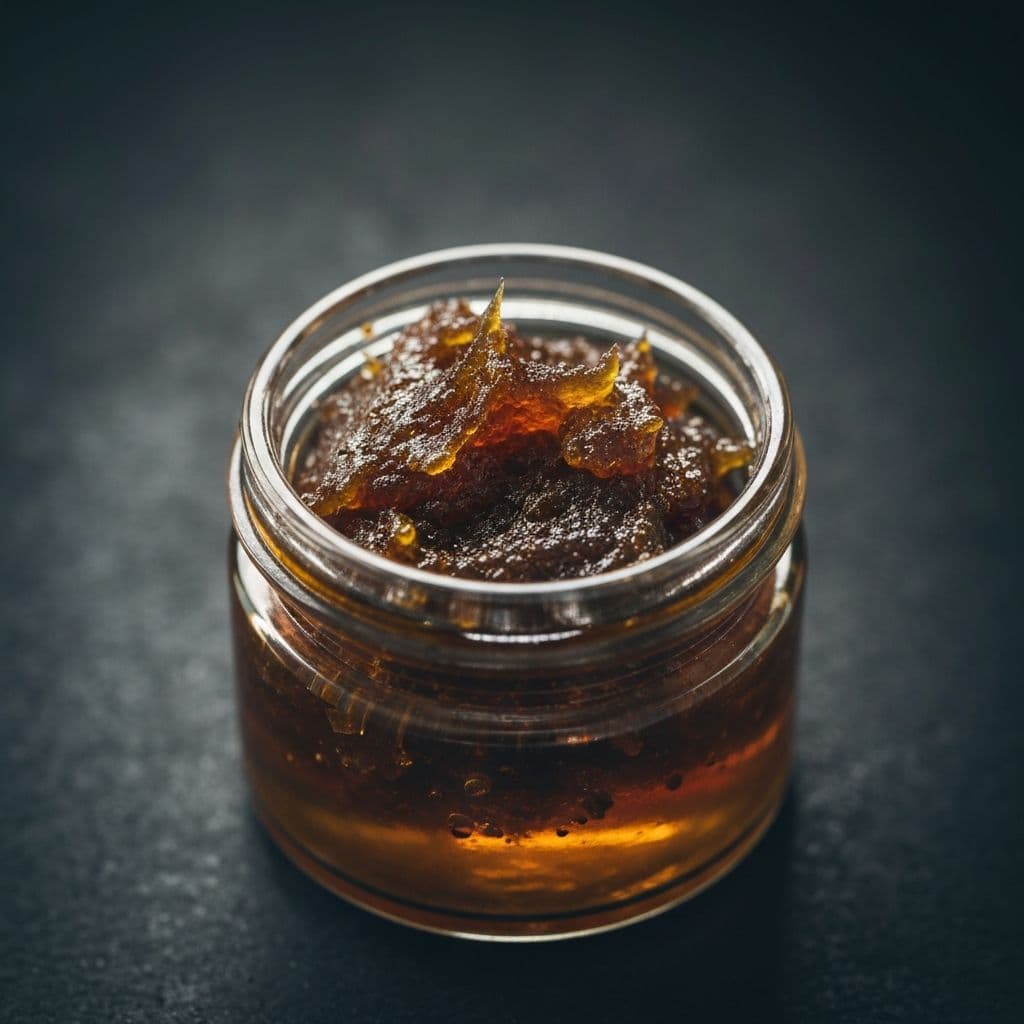
If your constraint is genuinely the smallest possible inclusion rate rather than water compatibility, oleoresin at 70–80% is the stronger choice: 200 mg of 75% oleoresin carries the same 150 mg of kavalactones as 500 mg of a 30% powder, with a fraction of the carrier load. It is a paste rather than a delivery system, so it suits formats that can handle a viscous concentrate and do not need it to disperse in water. The trade-offs are covered in oleoresin versus powder.
30% is a valid requirement. But it has come to serve as a proxy for quality that often overlooks underlying flaws in the product such as the plant part, cultivar, or extraction method used, and the absorption in the end user.
What your customer experiences comes from the plant part, the extraction, the delivery system, and the consistency behind them — which is why a nano-emulsified 20% can outperform a spray-dried 30% in the only test that matters commercially: whether someone buys the product a second time.
If you came looking for 30% because you need a specific effect in a specific format and want guarantees on quality, Kavain's 20% nano powder is very likely the better route — and if that format is a ready-to-drink beverage, our nano liquid may suit your line better still. Our oleoresin grades are there when concentration is the binding constraint.
Tell us the format and the effect you are targeting rather than the percentage, and we will send samples of whichever formats actually fit the brief so you can establish the comparison on your own bench.
Continue exploring kava industry insights

Experience the Kavain difference. Request a sample today and discover why leading formulators trust us for their kava supply.