
Kava 101
From ancient Pacific Island traditions to modern wellness applications — your comprehensive guide to understanding kava.
What is Kava?
Kava is a plant-based drink made from the roots of Piper methysticum, a tropical shrub native to the Pacific Islands. For over 3,000 years, Pacific Island communities have used kava in ceremonies, social gatherings, and traditional medicine.
The drink is known for its calming, anxiety-reducing effects without impairing mental clarity. Unlike alcohol, kava promotes relaxation and sociability while keeping the mind clear and focused.
Today, kava is gaining worldwide recognition as a natural alternative for stress relief, relaxation, and social wellness — available in traditional preparations, instant powders, concentrated extracts, and ready-to-drink beverages.
Quick Facts
- Origin
- Western Pacific Islands (Fiji, Vanuatu, Tonga, Samoa)
- History
- Over 3,000 years of traditional use
- Active Compounds
- Kavalactones — 6 primary varieties
- Common Names
- Kava, Yaqona (Fiji), Nakamal (Vanuatu)
- Plant Part Used
- Lateral roots and rootstock
The Kava Plant
Understanding the plant behind the drink — from its tropical origins to the root compounds that make it unique.
Botanical Name
Piper methysticum, a member of the pepper family (Piperaceae), native to the western Pacific Islands.
Growth & Harvest
Kava plants take 3-5 years to mature. The roots and rootstock are harvested for their active compounds.
Noble Varieties
Noble kava cultivars are prized for their balanced kavalactone profiles and smooth, pleasant effects.
Growing Regions
Thrives in tropical volcanic soils of Fiji, Vanuatu, Tonga, Samoa, and other Pacific Island nations.
Kavalactones — The Active Compounds
Kava's effects come from six primary kavalactones found in the root system. Each contributes unique properties to the overall experience.
Kavain
Primary anxiolytic compound — promotes relaxation and mental clarity without sedation.
Dihydrokavain
Supports muscle relaxation and contributes to kava's calming body effects.
Methysticin
Works synergistically with other kavalactones for enhanced relaxation benefits.
Dihydromethysticin
Contributes to kava's sedative properties, particularly in evening preparations.
Yangonin
Interacts with cannabinoid receptors, contributing to mood-enhancing effects.
Desmethoxyyangonin
Supports dopamine pathways, adding to kava's sense of well-being and sociability.
Traditional & Modern Methods
From centuries-old ceremonial preparation to cutting-edge extraction technology — kava adapts to every era.
Traditional
3,000+ years of heritage- Roots are sun-dried and pounded into powder
- Mixed with water and strained through plant fibres
- Served in a communal tanoa (wooden bowl)
- Consumed during ceremonies, conflict resolution, and social gatherings
Modern
Innovation meets tradition- Rapid-dispersing instant powders for convenience
- Concentrated oleoresin extracts via CO2 extraction for precise dosing
- Capsule and supplement formulations
- Ready-to-drink kava beverages and bar preparations
Why People Choose Kava
Kava offers a unique combination of relaxation and mental clarity that sets it apart from other natural wellness products.
Calm Focus
Promotes relaxation while maintaining mental clarity — no cognitive impairment.
Stress Relief
Natural anxiolytic properties help ease tension and promote a sense of calm.
Social Enhancement
Traditionally used to foster connection, conversation, and community bonding.
Sleep Support
Certain cultivars and preparations can support restful, restorative sleep.
Mood Elevation
Kavalactones interact with neurotransmitter pathways to gently uplift mood.
Muscle Relaxation
Helps ease physical tension and promotes a comfortable, relaxed body state.
* These statements have not been evaluated by the FDA. Kava is not intended to diagnose, treat, cure, or prevent any disease. Consult a healthcare professional before use.
Not All Kava is Created Equal
Understanding the difference between noble and non-noble kava is essential for a safe, enjoyable experience.
Noble Kava
- Cultivated varieties with centuries of safe traditional use
- Balanced kavalactone profile — pleasant, predictable effects
- Recommended by the Codex Alimentarius for human consumption
Non-Noble (Tudei) Kava
- Wild or uncultivated varieties — not traditionally consumed daily
- Higher levels of flavokavains — linked to nausea and prolonged effects
- Not recommended for commercial or regular consumer use
At Kavain, we exclusively source and supply noble kava cultivars — every batch is lab-tested, traceable, and certified for quality and safety.
Kava Glossary
From kavalactones and chemotypes to waka and lewena — explore 18 essential kava terms with authoritative definitions from Kavain's Pacific Island experts.
View Full Glossary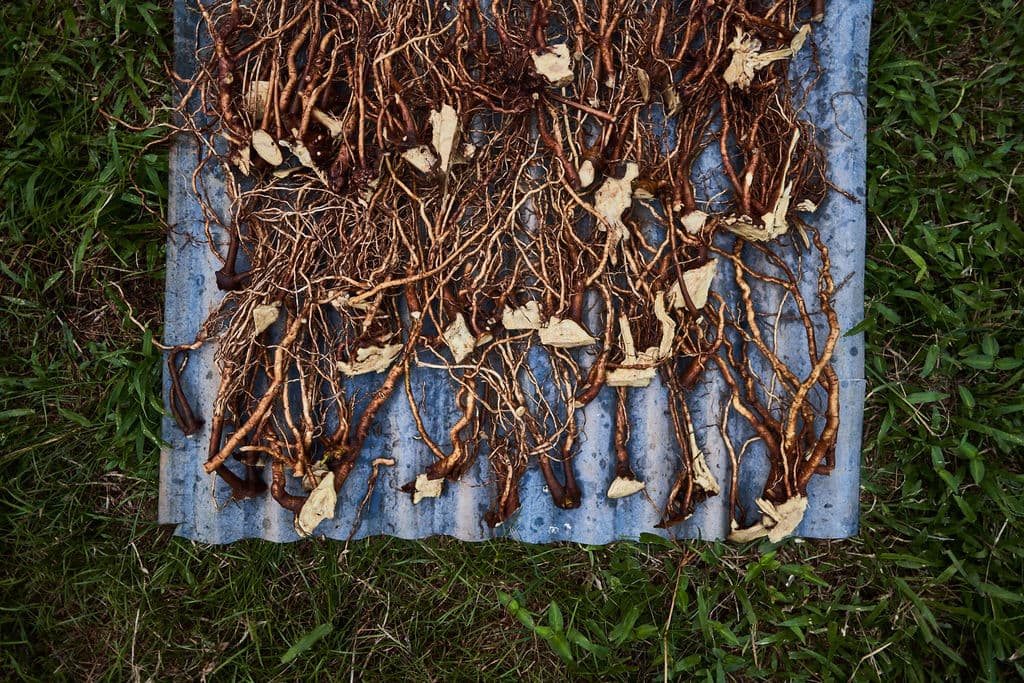
Ready to Source Wholesale Kava
from Kavain?
Experience the Kavain difference. Request a sample today and discover why leading formulators trust us for their kava supply.