Regulatory & Safety
Are Kava Extracts Safe? What the Evidence Says
14 min read
Read
The most consequential sourcing decision in the kava supply chain
If you’re formulating a dietary supplement, functional beverage, or extract product with kava, the distinction between noble and non-noble varieties isn’t academic — it’s the single most consequential sourcing decision you’ll make. It affects product safety, consumer experience, regulatory defensibility, and your brand’s reputation. Yet the distinction is poorly understood in the US market, where many buyers evaluate kava solely on kavalactone percentage without asking what’s behind the number.
This guide explains the noble/non-noble classification in practical terms for US formulators, covering the science, the regulatory landscape, and what to look for in your supply chain.
The terms “noble” and “non-noble” originate from Pacific Island traditional knowledge, refined over centuries of daily use and codified most formally in Vanuatu’s national Kava Act. The classification divides kava varieties into categories based on their chemical profiles and observed effects:
Noble kava varieties have been identified through both traditional use and modern scientific analysis as producing safe, pleasant beverages with predictable effects. They are identified by cultivar lineage together with a favourable balance of kavalactones and flavokavains. Noble profiles most often lead with kavain (4) or dihydrokavain (2), and in Fijian waka frequently kavain then methysticin (6). These compounds are absorbed relatively quickly and are associated with calm, clear-headed relaxation and sociability.
Non-noble kava encompasses several subcategories. The most commercially relevant is tudei (two day) kava, named for its effects, which can last uncomfortably long — up to two days — and commonly include nausea, lethargy, and a general sense of feeling unwell. Tudei is identified by elevated dihydromethysticin (5) together with elevated flavokavains — particularly flavokavain B — which are the compounds associated with the adverse effects. Chemotype can hint at this, but flavokavain analysis is what confirms it.
Medicinal varieties occupy a middle ground — used traditionally for therapeutic purposes but not for regular daily consumption. Wichmannii refers to the wild ancestor species (Piper wichmannii), which is not cultivated for commercial use.
Vanuatu’s Kava Act makes this classification legally binding: only noble kava may be exported unless a foreign buyer specifically requests otherwise, and tudei kava is banned from the domestic market entirely. Fiji does not use the same formal classification terminology, but all 13 of its recognized commercial varieties produce noble chemotype profiles.
The safety concerns around non-noble kava are not theoretical. The European kava bans of the early 2000s — which severely damaged the global kava industry for over a decade — were linked in significant part to products that used non-noble plant material, inappropriate plant parts (leaves, stems, and peelings), and solvent-based extraction methods. While the bans have since been largely lifted as evidence mounted that properly sourced noble kava is safe, the episode remains a cautionary tale.
The key safety considerations:
Kavalactone profile. Noble varieties are rich in kavain (4), which is absorbed and metabolized relatively quickly. Non-noble varieties contain proportionally more dihydromethysticin (5) and other kavalactones with slower metabolism, leading to accumulation effects and the prolonged, unpleasant experience that gives tudei kava its name.
Flavokavain content. Non-noble varieties tend to contain higher levels of flavokavains — particularly flavokavain B — which have been identified as hepatotoxic in some research. Noble varieties have lower flavokavain concentrations, which aligns with their centuries-long safety record in traditional consumption.
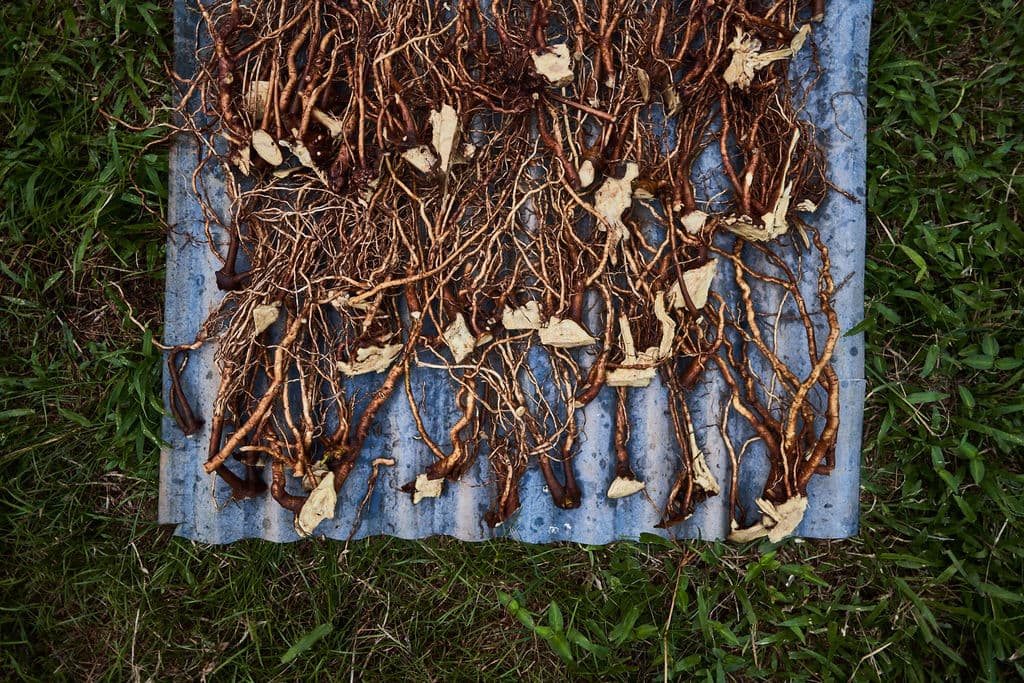
Plant part matters as much as variety. Even with noble cultivars, the aerial parts of the kava plant (stems, leaves, and branches) contain increasing concentrations of potentially toxic alkaloid compounds, particularly pipermethystine. Kavalactone concentration follows the inverse pattern: highest in the roots, decreasing upward. The rhizome peelings also contain alkaloid toxins and should never enter the supply chain. Both the Fiji and Vanuatu quality manuals are emphatic on this point: only peeled roots and peeled rhizome should be used for products intended for human consumption.
Extraction method. Both producing countries recommend aqueous (water-based) extraction only. Solvent extraction using acetone or ethanol can extract compounds that water does not, potentially concentrating undesirable components. Supercritical CO₂ extraction — the method used for kava oleoresin production — preserves the full spectrum of kavalactones while avoiding the issues associated with organic solvent methods. See the complete guide to kava oleoresin for a detailed breakdown of how CO₂ extraction works and why it avoids the solvent concerns that drove the early-2000s European kava issues.
Kava occupies a specific regulatory space in the United States:
Dietary supplement ingredient. Kava root and kava root extract are sold as dietary supplements under the Dietary Supplement Health and Education Act (DSHEA). Kava has a history of use predating DSHEA’s 1994 enactment, which supports its status as a grandfathered ingredient. However, this applies specifically to the root — not to leaves, stems, or whole-plant material.
FDA oversight. The FDA has issued advisories about potential liver toxicity associated with kava-containing products, but has not banned kava. The agency’s concerns were driven in part by the same European adverse event reports that involved non-noble material and non-traditional preparations. Formulators who can document noble-only sourcing, root-only material, and proper extraction methods are in a stronger position to address any regulatory inquiries.
No formal FDA noble/non-noble distinction. The FDA does not currently distinguish between noble and non-noble kava in its regulations. This means the burden falls on manufacturers to self-police their supply chain. It also means that formulators who can demonstrate noble-only sourcing with chemotype verification have a genuine competitive advantage in due diligence and retail buyer conversations.
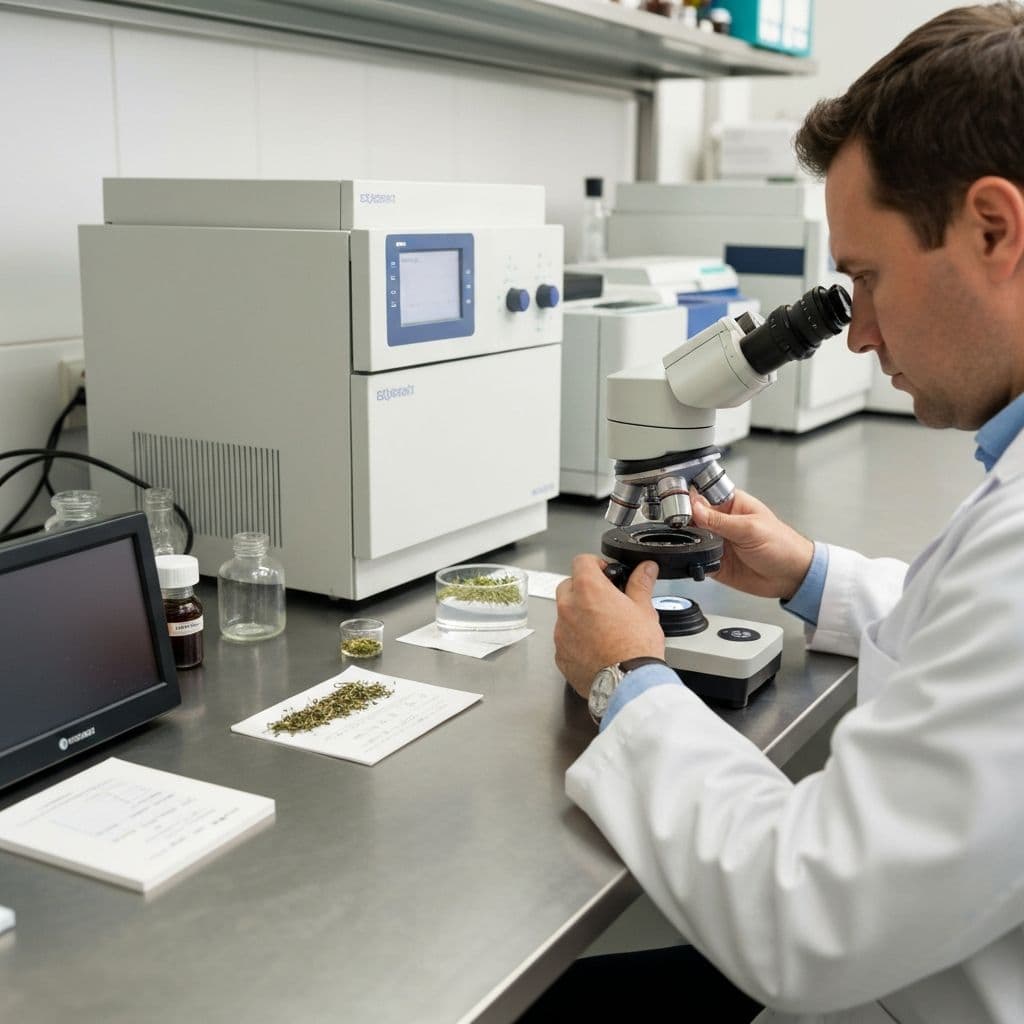
cGMP requirements. Under 21 CFR Part 111, dietary supplement manufacturers must establish identity specifications for botanical ingredients. For kava, this should include chemotype verification via HPLC — not just a generic “kavalactone percentage” that could come from any variety or plant part.
Understanding how contamination happens is the first step in preventing it.
Blending at origin. In producing countries, farmers may mix varieties during harvest or drying to increase volume, particularly when noble kava fetches premium prices. A bag labeled as noble Borogu might contain tudei varieties if sourcing controls are weak. Once kava is dried and processed, it is virtually impossible to distinguish varieties visually — only HPLC chemotype analysis can confirm identity.
Undocumented sourcing. Brokers and middlemen who don’t operate their own processing facilities may not have visibility into what varieties are being harvested. Without direct relationships with farming communities and on-the-ground quality control, noble-only claims are difficult to verify.
Inclusion of prohibited plant parts. Stem material, leaves, and peelings are cheaper than roots. Unscrupulous suppliers may include these parts to increase weight. The Vanuatu quality manual specifically notes that Biosecurity Vanuatu inspectors check for the presence of branches, unprepared peelings, and other contaminating material during mandatory export inspections.
Price-driven substitution. Noble kava commands premium pricing because it requires longer growing times (minimum 3–5 years), more careful cultivation, and yields less per hectare than fast-growing non-noble varieties. If your supplier’s pricing seems significantly below market, ask how that’s possible.
Based on the quality standards established by both Fiji and Vanuatu, here’s a practical checklist:
Chemotype verification on every batch. Full HPLC kavalactone profiling that shows the six-digit chemotype code, not just total kavalactone percentage — alongside the cultivar identity for the lot. Treat the chemotype as a screen: a kavain-led profile (commonly 42, 24, or 46 in Fijian waka) is what you would expect, and anything outside that is a prompt to request flavokavain analysis rather than grounds for automatic rejection. A supplier who cannot provide chemotype data and cultivar traceability at all — that is the dealbreaker.
Named cultivar identification. Your CoA should identify which cultivar the batch came from — e.g., Borogu, Vula Kasa Leka, Melomelo — not just “kava root extract.” This enables traceability and provides evidence of noble sourcing.
Plant part specification. The CoA should clearly state whether the material is root (waka), rhizome (lewena/chips), or a blend. The absence of leaves, stems, and peelings should be documented.
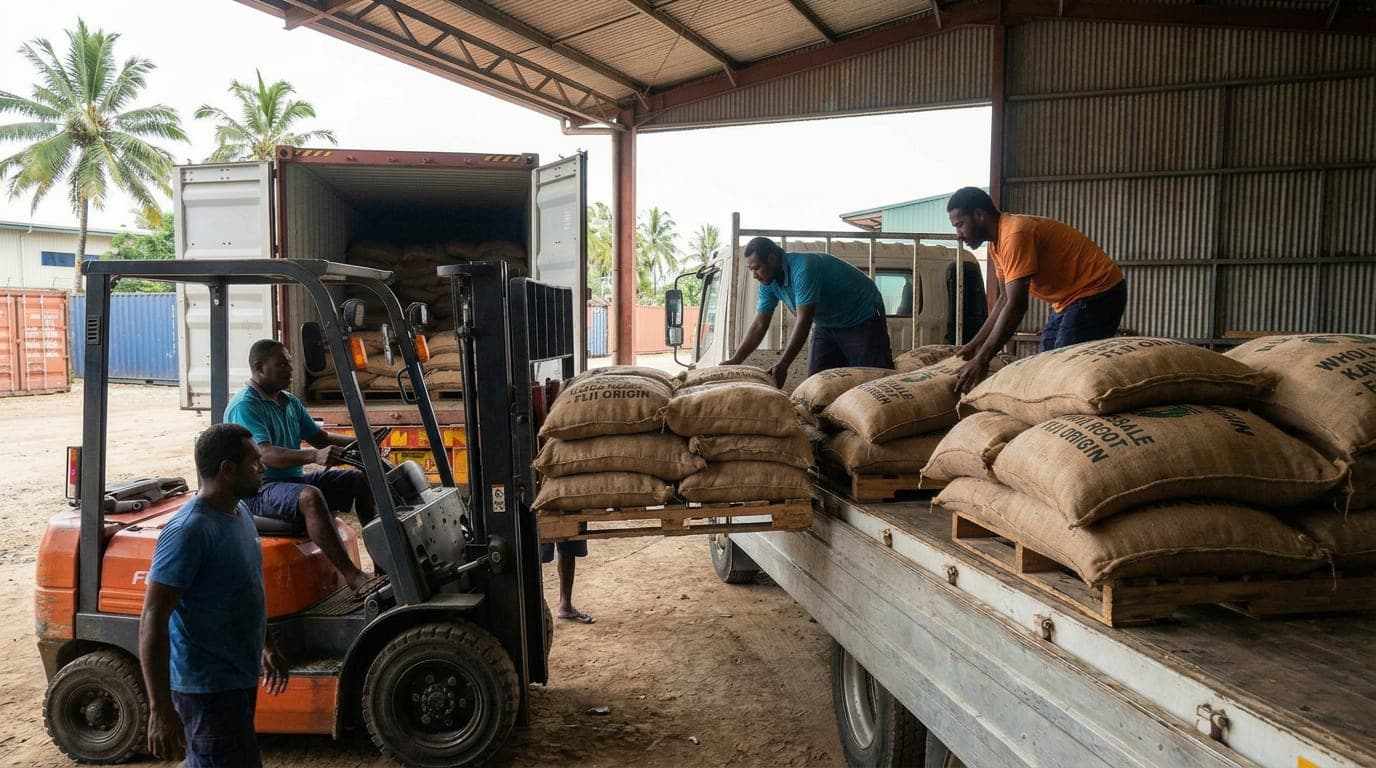
Origin traceability. Ideally, documentation should trace the batch back to the growing region and ideally the farming community. Vanuatu’s export labelling regulations require variety, island of origin, and plant part — your supplier should be able to pass this information through.
Heavy metal, microbial, and pesticide screening. Standard for any botanical ingredient, but particularly important for a root crop where soil contamination and post-harvest handling are risk factors.
Processing method documentation. Aqueous extraction or supercritical CO₂ — not organic solvent extraction. Your supplier should be transparent about how the material was processed.
The noble/non-noble distinction in kava is backed by centuries of traditional knowledge, validated by modern phytochemistry, and codified in the national laws of the world’s largest kava-exporting country. For US formulators, sourcing exclusively noble kava isn’t just a quality preference — it’s a risk management strategy that protects your consumers, your brand, and your regulatory standing.
The information to verify noble sourcing exists. Chemotype testing is straightforward and affordable. The question is simply whether your supplier can provide it.
Kavain exclusively sources noble kava cultivars from Fiji and Vanuatu. Every batch is issued with an internal Certificate of Analysis covering HPLC chemotype verification, heavy metals, microbial, and pesticide screening — internal testing methodology developed with our ISO/IEC 17025-accredited US lab partners. Independent third-party CoAs are arranged on request. Our facilities hold ISO 22000:2018 and ISO 9001:2015 certifications and maintain HACCP compliance. Request a sample →
Sources:
Continue exploring kava industry insights
Experience the Kavain difference. Request a sample today and discover why leading formulators trust us for their kava supply.