Sourcing
How to Evaluate a Wholesale Kava Supplier
8 min read
Read
A side-by-side comparison of the world’s two largest kava exporters
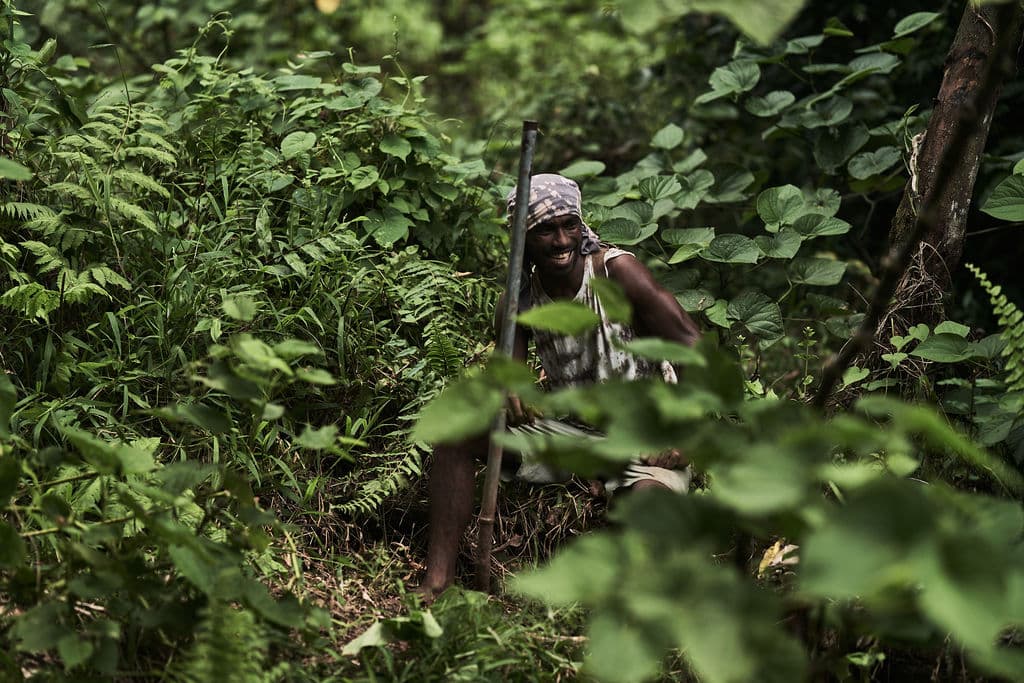
Fiji and Vanuatu are the two largest exporters of kava to the United States and international markets. Both countries produce high-quality noble kava with centuries of traditional cultivation behind it, but they differ significantly in variety diversity, classification systems, regulatory frameworks, and quality standards. For buyers evaluating suppliers or building formulations, understanding these differences is essential.
Kavain sources directly from both origins, and this guide draws on the official quality manuals published by each country’s government to give you a clear, side-by-side picture.
The scale of genetic diversity between these two origins is dramatically different.
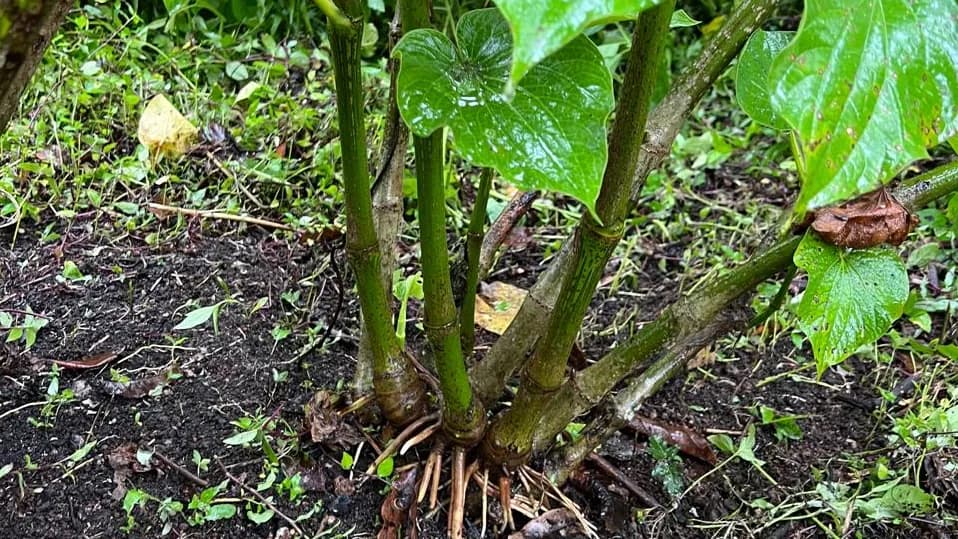
Fiji has 13 recognized kava varieties (sometimes called “types”), all of which are considered noble. The 2014 national kava survey documented and described each variety based on physical characteristics like stem color, internode length, lenticel patterns, and leaf features. Because Fiji’s genetic base is relatively narrow, its cultivars share a high degree of chemotype consistency — the vast majority clustering around 426531 and 426351 profiles.
Vanuatu has over 80 named varieties spread across its island archipelago, making it the most genetically diverse kava-growing country in the world. Research by Vincent Lebot and colleagues has demonstrated that Vanuatu is very likely the center of kava domestication, which explains this extraordinary diversity. Vanuatu’s varieties are formally classified into four categories under its national Kava Act: noble, medicinal, two day, and wichmannii.
This diversity gap matters for buyers. Fiji offers consistency and reliability — you can expect a relatively narrow band of chemotype profiles across its cultivar base. Vanuatu offers a much wider palette of chemical and flavor profiles, but sourcing requires more specificity about which cultivar you’re purchasing.
Fiji takes a different approach: all 13 recognized varieties are considered noble and suitable for commercial use and export, so a multi-tier classification system is unnecessary. Fiji’s national kava survey documented each variety with botanical descriptions, chemotype data, and growing characteristics. The Fiji Kava Quality Manual also identifies a false kava species known locally as “Yaqona ni Toga,” which is not Piper methysticum and should never enter the supply chain.
Vanuatu operates a legally codified four-tier classification:
The names and island origins of every variety in each category are enumerated in Vanuatu’s Kava Act, giving the classification system legal force. This is one of the most rigorous variety-control frameworks for any agricultural commodity in the Pacific.
Kava production and export in Vanuatu is governed by multiple overlapping laws: the Plant Protection Act, the Kava Act, the Vanuatu Commodities Act, and the Vanuatu Foreign Investment Promotion Act.
Key regulatory features include:
Biosecurity Vanuatu’s inspection process is scaled to consignment size, ranging from 2 sample bags for shipments of 50–500kg up to 15 sample bags for consignments exceeding 10,000kg. Inspectors check for proper peeling, absence of prohibited varieties, contamination, moisture levels, and insect infestation. Failed consignments are either rejected or sent back for re-sorting and re-drying.
Fiji’s regulatory framework centers on a National Fijian Quality Standard for kava, developed to set minimum standards for export products. The Fiji Kava Quality Manual was produced through the PHAMA program in collaboration with the Pacific Community (SPC) and the University of the South Pacific (USP).
Key regulatory features include:
Fiji’s approach emphasises industry-led quality standards backed by scientific documentation. Because all 13 recognized varieties are noble, Fiji did not need to codify a variety-restriction system — the genetic base is already safe for consumption. The collaborative development of Fiji’s quality framework through the PHAMA/SPC/USP partnership reflects a rigorous, research-backed approach to quality assurance.
| Quality Factor | Vanuatu Standard | Fiji Standard |
|---|---|---|
| Minimum harvest age | 5 years for export market | 3–5 years recommended |
| Maximum moisture (dried) | 12% | 12% |
| Min. kavalactone — dried roots | 10% total (min. 3% kavain) | Set by buyer/exporter specification; typically 6–8%+ for waka |
| Min. kavalactone — dried rhizome | 5% total (min. 1% kavain) | Set by buyer/exporter specification |
| Variety restrictions | Noble only for export (Kava Act) | All 13 recognized varieties are noble |
| Organic requirement | Mandated by Kava Act | Widely practiced; traditional cultivation methods |
| Extraction method | Aqueous only (recommended) | Aqueous traditional; other methods at exporter level |
| Labelling | Variety, island, plant part, “Original Vanuatu Kava” | Variety, plant part, quality grade recommended |
| Plant parts permitted | Peeled rhizome, roots, peeled basal stems | Waka (roots) and peeled lewena (rhizome) |
| Peelings | Discouraged; contains alkaloid toxins | Not to be sold or consumed |
| Export inspection | Mandatory Biosecurity Vanuatu inspection | Exporter quality assurance with agricultural extension support |
Both countries agree on the critical importance of keeping plant parts separate, thorough drying to prevent mould, and excluding stems, leaves, and aerial roots from commercial products. The reasoning is the same: kavalactone concentration is highest in the roots and decreases toward the aerial parts, while potentially toxic alkaloid compounds (particularly pipermethystine) increase above the soil line.
The two countries use different terminology for the same plant parts, which can cause confusion in cross-origin purchasing:
| Plant Part | Fiji Term | Vanuatu Term | Notes |
|---|---|---|---|
| Lateral roots | Waka | Roots | Highest kavalactone content (8–16%); premium product |
| Rhizome/rootstock | Lewena | Chips/stump | Must be peeled; moderate kavalactone content (3–8%) |
| Rhizome peelings | — | Skin/peelings | Contains toxins; should not be consumed or exported |
| Basal stems | Kasa | Basal stems | Low kavalactone (4–6%); below first node only |
| Upper stems | Kasa | — | Low quality; used only for planting material |
For US buyers, the practical distinction is between roots/waka (premium grade, higher potency, commands top pricing) and rhizome chips/lewena (standard grade, milder profile, lower price point). Regardless of origin, peeling is essential — the outer skin of the rhizome contains alkaloid compounds that should not enter finished products.
If consistency is your priority, Fiji’s narrow genetic base is an advantage. With 13 varieties sharing closely related chemotype profiles, batch-to-batch variation is naturally limited. Fiji is also the origin most US consumers and kava bar operators are familiar with, which can matter for marketing and consumer confidence.
If you value a research-backed quality framework, Fiji’s national kava quality manual — developed collaboratively by the PHAMA program, SPC, and USP — provides detailed, science-based guidance across the entire value chain. Because Fiji’s entire recognized cultivar base is noble, buyers can source with confidence that any documented Fijian variety meets the standard.
If you need specific chemotype profiles or niche cultivars, Vanuatu’s diversity is unmatched. With more than 80 named varieties spanning a range of effects — from the euphoric clarity of Melomelo to the balanced everyday character of Borogu — Vanuatu offers the ability to fine-tune your product’s kavalactone profile in ways that Fiji’s smaller variety set cannot.
If you need legally codified supply chain controls, Vanuatu’s Kava Act provides a statutory framework with mandatory export inspections, variety restrictions, and organic cultivation requirements. This can simplify compliance documentation for US dietary supplement manufacturers who need to demonstrate supply chain controls.
Both origins produce world-class noble kava. The choice between them depends on your product requirements, not on one being inherently superior to the other. Many formulators source from both to take advantage of Fiji’s consistency and Vanuatu’s diversity. For either origin, always request HPLC chemotype verification, confirm the plant part, and ensure your supplier can provide full traceability back to the cultivar and growing region.
Sourcing origin is only half the decision — the other half is format. Whether you buy noble root from Fiji or Vanuatu, the next question is whether you want it as traditional grind, instant powder, or concentrated oleoresin. See the oleoresin vs. powder comparison for a side-by-side breakdown of potency, cost per dose, shelf life, and formulation fit.
Kavain operates processing facilities in both Fiji and Vanuatu, sourcing 22 noble cultivars directly from partner farms. Every batch is HPLC-profiled for kavalactone content and chemotype and issued with an internal Certificate of Analysis; independent third-party CoAs are arranged on request. Explore our cultivar library →
Sources:
Continue exploring kava industry insights
Experience the Kavain difference. Request a sample today and discover why leading formulators trust us for their kava supply.